



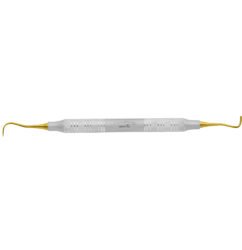
What Are Dental Curettes and When Are They Used?


Dental Curettes: What They Are and When to Use Them — A Practical Guide for Dental Professionals
Dental curettes are precision periodontal instruments used to remove calculus, plaque and soft debris from tooth and root surfaces. They are a staple in periodontal therapy and maintenance, enabling clinicians to perform effective subgingival cleaning and root surface preparation. This guide breaks down the main curette types, their clinical uses, ergonomic design features that improve handling, and practical maintenance tips. Read on for a clear, clinically focused overview to support better treatment outcomes.
What Are the Main Types of Dental Curettes?
Curettes generally fall into two categories: Gracey curettes and universal curettes. Each type is engineered with distinct blade geometry and clinical applications, making the right selection important for efficient, atraumatic instrumentation.
How Do Gracey and Universal Curettes Differ?
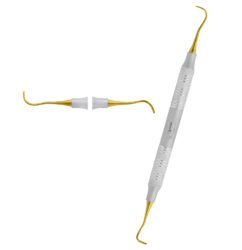
Gracey curettes have an offset blade angle tailored for root-surface scaling and periodontal therapy. They are typically used as site-specific instruments (paired for opposite surfaces) to reach deep pockets and root anatomy with minimal tissue trauma. Universal curettes feature a more symmetrical, rounded blade that can be adapted to both anterior and posterior teeth, offering broader versatility for general scaling tasks.
What Are the Key Features of Each Curette Type?
The defining features of dental curettes include:
- Blade Shape: Gracey blades are curved and angled for root adaptation; universal blades are more rounded and balanced for multi‑surface use.
- Material Quality: Durable, corrosion‑resistant stainless steel is standard for longevity and reliable edge retention.
- Ergonomic Design: Sculpted handles and balanced weight reduce hand fatigue and improve tactile control during extended procedures.
LENOX INS Canada manufactures and distributes precision dental instruments across Canada and North America, including curettes engineered for consistent clinical performance.
When Are Dental Curettes Used in Periodontal Procedures?
Curettes are primarily used in periodontal therapy to remove subgingival and supragingival deposits and to smooth root surfaces. Their correct use is integral to controlling infection, reducing inflammation, and promoting periodontal healing.
How Are Curettes Applied in Scaling and Root Planing?

In scaling and root planing, curettes are used in two complementary steps:
- Scaling: Remove hard deposits and visible calculus above and below the gingival margin using controlled strokes.
- Root Planing: Smooth root surfaces to eliminate residual calculus and contaminated cementum, encouraging soft tissue reattachment and reduced pocket depths.
When performed correctly, this sequence reduces inflammation and supports periodontal stability.
What Clinical Situations Require Dental Curette Use?
Curettes are indicated in a range of periodontal scenarios, including:
- Chronic Periodontitis: Comprehensive subgingival debridement is required to manage active disease.
- Maintenance Therapy: Periodic professional cleaning for patients with a history of periodontal treatment to prevent recurrence.
- Prevention: Targeted cleanings for at‑risk patients to reduce plaque accumulation and disease onset.
What Design and Ergonomic Features Enhance Dental Curette Performance?
The right design details make curettes easier to handle and more effective clinically. Ergonomics, balance and material choice influence control, tactile feedback and clinician comfort.
How Does Ergonomic Handle Design Improve Usability?
Ergonomic handles are shaped and weighted to fit the hand, reduce grip force and limit repetition strain. Better grip and balance translate to more precise strokes, steadier control in deep pockets, and less clinician fatigue over long procedures.
What Materials Are Commonly Used in Dental Curette Construction?
Curettes are commonly constructed from materials chosen for strength, weight and corrosion resistance:
- Stainless Steel: The standard choice for durability, edge retention and ease of re‑sterilization.
- Titanium: Used in specialty instruments where reduced weight and high strength are priorities.
These materials support repeated clinical use while preserving instrument performance.
How Should Dental Curettes Be Maintained for Optimal Use?

Routine maintenance keeps curettes sharp, safe and ready for clinical use. Regular care preserves cutting edges, prevents corrosion and reduces the need for early replacement.
What Are the Best Practices for Sharpening Dental Curettes?
Sharpen curettes using the correct tools and technique to preserve blade geometry:
- Use a Fine Grit Stone: Maintain the original blade angle and remove minimal metal to restore a keen edge.
- Schedule Regular Sharpening: Sharpen before instrument performance degrades to avoid increased tissue trauma.
- Test Sharpness: Verify the edge on a thumbnail or acrylic testing stick to confirm effective cutting ability.
How Does Proper Maintenance Extend Instrument Durability?
Consistent care prolongs instrument life and preserves clinical effectiveness. Key practices include:
- Regular Cleaning: Remove debris immediately after use to prevent buildup and corrosion.
- Proper Storage: Store instruments dry and protected to avoid contact damage and rust.
- Routine Inspections: Check for dullness, nicks or corrosion and retire or refurbish instruments as needed.
Following these steps keeps curettes reliable and reduces long‑term replacement costs.
Frequently Asked Questions
What is the importance of using the correct type of dental curette?
Choosing the appropriate curette ensures effective deposit removal with minimal tissue trauma. Gracey curettes are site‑specific for root surfaces and deep pockets; universal curettes offer broader coverage for general scaling. Matching instrument geometry to the treatment area improves efficiency and clinical outcomes.
Can dental curettes be used for other dental procedures?
Curettes are optimized for periodontal tasks but may be useful in limited restorative or surgical contexts where careful soft‑tissue management or root preparation is required. For routine restorative shaping or heavy cutting, select instruments specifically designed for those procedures.
How often should dental curettes be replaced?
Instrument lifespan depends on material quality, frequency of use and maintenance. High‑quality stainless steel curettes can last several years with proper sharpening and care. Replace instruments that show persistent dullness, corrosion or structural damage to maintain safe, effective treatment.
What are the risks of using dull dental curettes?
Dull curettes reduce cleaning efficiency, increase procedure time and can cause greater tissue trauma. Ineffective debridement risks ongoing inflammation and disease progression. Regular sharpening and timely replacement mitigate these risks and improve patient comfort.
Are there any specific sterilization methods recommended for dental curettes?
Yes. Clean instruments thoroughly before sterilization, then autoclave according to manufacturer and facility protocols. Proper pre‑cleaning and validated sterilization cycles prevent cross‑contamination and protect instrument integrity over repeated cycles.
What should dental professionals consider when selecting dental curettes?
When choosing curettes, evaluate the procedures you perform, blade geometry, handle ergonomics and material quality. Consider manufacturer reputation and service options for sharpening or refurbishment. Investing in well‑designed instruments improves precision, reduces clinician fatigue and supports consistent patient care.
Conclusion
Understanding curette types, clinical uses and maintenance practices is essential to effective periodontal care. The right instrument, used with proper technique and upkeep, improves treatment efficiency and patient outcomes. Explore our selection of high‑quality curettes and periodontal instruments to support your clinic’s needs.