Frequently Asked Questions
What instruments are needed for a crown prep?
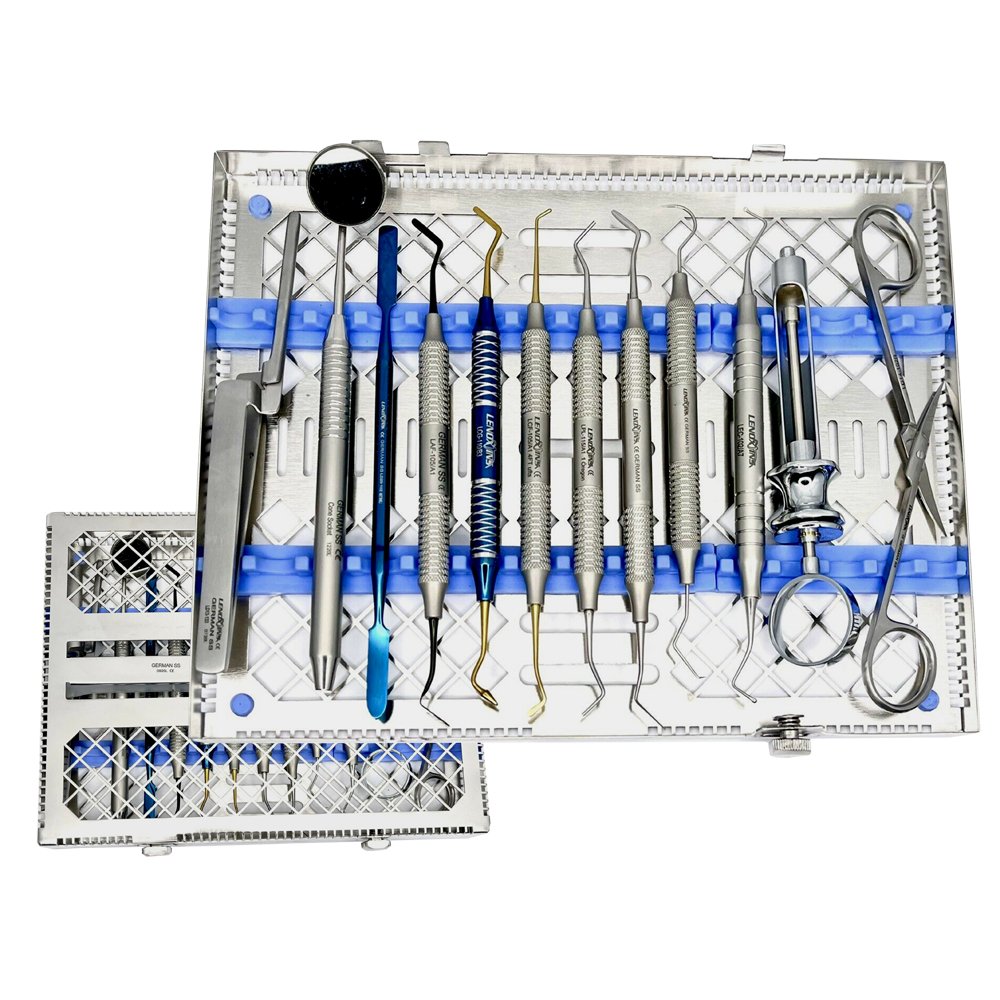
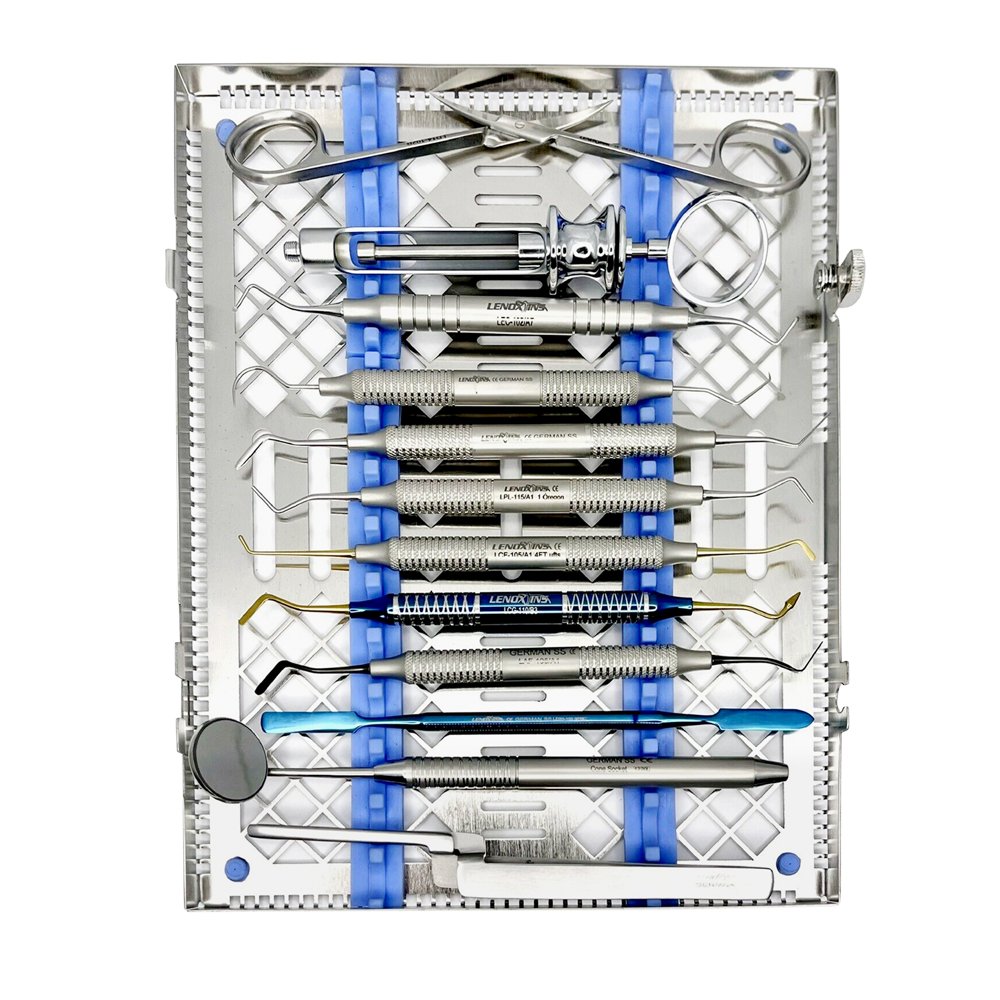
The Composite Crown Prep Procedure Standard Set by Lenox Instruments includes essential tools for shaping, cutting, and finishing composite materials, such as instruments for etching, bonding, carving, and polishing, to ensure a seamless preparation process.
What is the crown preparation sequence?
Analyze preoperative dental conditions and plan tooth preparation Isolate the tooth and apply proper retraction Reduce tooth structure while maintaining ideal tooth form Apply bonding agents and establish adhesive connection Sculpt and finish the composite restoration Polish and refine the final restoration
What do I need to set up for crown prep?
The Composite Crown Prep Procedure Standard Set by Lenox Instruments includes essential tools for shaping, cutting, and finishing composite materials, ensuring a seamless crown preparation process. The set contains instruments for etching, bonding, carving, and polishing to achieve a secure and aesthetically pleasing result.
What are essential crown prep tools?
The Composite Crown Prep Procedure Standard Set includes essential tools for shaping, cutting, and finishing composite materials during crown preparation, such as instruments for etching, bonding, carving, and polishing.
How do you sterilize crown instruments?
To sterilize crown instruments: Disassemble instruments and remove any debris. Soak instruments in a disinfectant solution. Rinse thoroughly and air-dry or use a sterile towel. Wrap instruments in sterilization pouches. Autoclave instruments at appropriate temperature and pressure.
Can you list common crown materials?
Porcelain Ceramic Gold Alloy Base Metal Alloy
What steps are in crown preparation?
Remove decay or old filling material Prepare the tooth structure by shaping and reducing the surface to accommodate the crown Apply bonding agents and primers to ensure proper adhesion Fabricate the crown and cement it in place Finish and polish the crown for a smooth, aesthetic result
How to maintain dental operating fields?
Use a rubber dam to isolate the treatment area and prevent contamination. Apply a high-volume saliva ejector to remove excess moisture and debris. Utilize well-designed instruments and materials to ensure a clean, organized workspace. Maintain proper lighting and visibility to clearly see the operating field. Regularly sterilize and disinfect all equipment to prevent cross-contamination.
Which bur types are used for crown prepping?
The Composite Crown Prep Procedure Standard Set includes essential bur types for crown preparation, such as diamond and carbide burs for etching, shaping, and finishing composite materials.
What isolation techniques are best for crown prep?
The Composite Crown Prep Procedure Standard Set by Lenox Instruments includes essential tools for etching, bonding, carving, and polishing composite crowns, ensuring a secure and aesthetically pleasing result.
What are crown prep retracting techniques?
Crown prep retracting techniques include: Cord packing: Insertion of medicated retraction cord into the gingival sulcus to displace the gingiva and expose the finish line. Electrosurgery: Use of high-frequency electrical current to precisely remove gingival tissue and expose the finish line. Laser gingivectomy: Precise removal of gingival tissue using a laser to expose the finish line.
How long does a crown prep take?
The time required for a composite crown prep procedure can vary, but typically ranges from 30 to 60 minutes, depending on the complexity of the case and the dentist's experience. Key factors include tooth preparation, impression taking, and crown fabrication.
What guidelines exist for preparing crowns?
The Composite Crown Prep Procedure Standard Set by Lenox Instruments provides essential tools for precise composite crown preparation, including instruments for etching, bonding, carving, and polishing to ensure a secure and aesthetic result.
What items are in a crown prep kit?
Essential tools for shaping, cutting, and finishing composite materials Instruments for etching, bonding, carving, and polishing Comprehensive solution for precise and efficient preparation of composite crowns
How do you select a dental bur?
When selecting a dental bur, consider the procedure, tooth structure, and personal preference. Choose burs with appropriate size, shape, and abrasiveness for the task at hand to ensure efficient and effective preparation.
What are the ergonomics for crown prep work?
The Composite Crown Prep Procedure Standard Set includes essential instruments for efficient and precise crown preparation. It features tools for etching, bonding, carving, and polishing, ensuring a secure and aesthetically pleasing restoration.
What post-crown prep patient care is needed?
After crown preparation, patients require thorough cleaning and irrigation of the prepared tooth, application of a desensitizing agent, and detailed instructions on post-operative care and hygiene to ensure proper healing and successful restoration.
What are crown prep contouring principles?
Crown prep contouring principles include: Establish proper occlusal reduction Create appropriate axial wall taper Maintain adequate occlusal clearance Ensure smooth, uniform finish lines
How to choose the right dental handpiece?
When choosing a dental handpiece, consider factors like speed, power, balance, and noise level. Select a handpiece that suits your specific treatment needs and provides comfort during prolonged use. Consult with your dental supplier to find the right handpiece for your practice.
What are common crown prep mistakes?
Inadequate tooth reduction leading to poor fit and margins Uneven finish lines resulting in aesthetic issues Insufficient retention and resistance form Damage to adjacent teeth during preparation Improper impression techniques causing inaccurate models
How to practice efficient crown prep?
The Composite Crown Prep Procedure Standard Set by Lenox Instruments offers comprehensive tools for efficient crown preparation. The set includes essential instruments for etching, bonding, carving, and polishing to ensure a secure and aesthetically pleasing result.
What techniques ensure proper crown fit?
To ensure proper crown fit, consider the following techniques: Accurate tooth preparation to provide adequate reduction and appropriate finish line placement.Precise impression-taking to capture accurate tooth and soft tissue details.Careful crown fabrication to achieve an optimal marginal fit and occlusal contacts.Proper cementation procedures to securely bond the crown to the prepared tooth.
What are crown prep finishing protocols?
The Composite Crown Prep Procedure Standard Set provides essential tools for shaping, cutting, and finishing composite materials, including instruments for etching, bonding, carving, and polishing for a secure and aesthetically pleasing crown restoration.
How to measure for crown prep successfully?
To measure for crown prep successfully: Assess tooth preparation depth and margin placement Use a caliper to measure occlusal reduction and axial wall height Ensure adequate clearance for the restoration and its materials Check that margins are properly located for optimal aesthetics and function
How do you manage crown prep discomfort?
Use a local anesthetic to numb the area before starting the procedure. Utilize a high-speed handpiece with water cooling to minimize heat generation. Employ a gentle touch and avoid excessive pressure on the tooth structure. Provide frequent breaks to allow the patient to rest and the area to recover. Recommend over-the-counter pain medication before and after the procedure as needed.
What are the newest crown prep advancements?
The Composite Crown Prep Procedure Standard Set by Lenox Instruments offers a comprehensive solution for efficient and precise preparation of composite crowns, including essential tools for shaping, cutting, etching, bonding, carving, and polishing.
What sterilization protocols are for instruments?
Sterilization protocols for instruments typically include autoclaving, chemical disinfection, and ultrasonic cleaning. Proper cleaning, disinfection, and sterilization are crucial to prevent cross-contamination and ensure patient safety.
How to ensure proper occlusal clearance?
To ensure proper occlusal clearance: Assess the existing occlusion and identify areas requiring adjustment. Use articulating paper or wax to mark occlusal contacts. Selectively grind and polish the restoration to achieve even, light occlusal contacts. Verify clearance with mounted models or computerized occlusal analysis.
Are there alternatives to traditional crown prepping?
Yes, there are alternatives to traditional crown prepping. Some options include: Minimally invasive crown lengthening procedures Bonding techniques for direct composite restorations CAD/CAM technology for chairside milling of ceramic crowns
What is the ideal crown prep design?
The ideal crown prep design features a chamfer or rounded shoulder margin, a 1-2 mm reduction, and a slight taper for retention. This preparation allows for a well-fitting, esthetic crown restoration.