


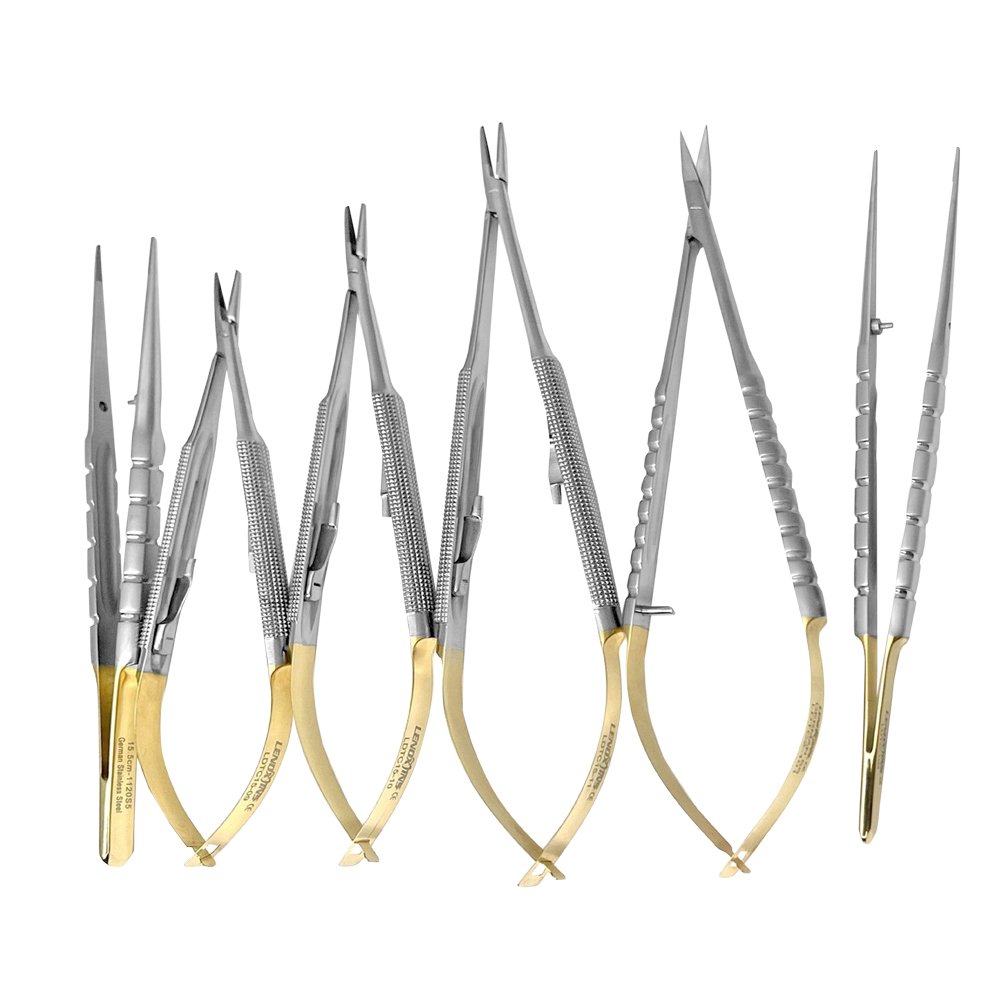

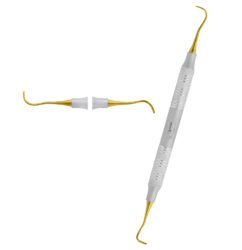
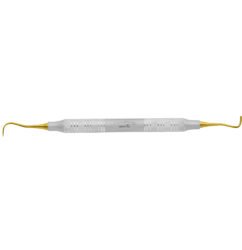
Precision Matters: Fine Tip Dental Scalers Explained

Precision Matters: Fine‑Tip Dental Scalers for Targeted, Low‑Trauma Dental Care
Fine‑tip dental scalers are specialized periodontal hand instruments characterized by a narrow working tip engineered to precisely focus force, access confined anatomical areas, and meticulously remove plaque and calculus from tight interproximal and subgingival sites. This comprehensive guide walks clinicians through how optimized tip geometry, advanced material selection, and ergonomic design synergistically enhance cleaning effectiveness while rigorously protecting gingival tissues and enamel integrity. We delineate the specific clinical scenarios where a fine‑tip tool demonstrably outperforms broader scalers, and provide evidence-based guidance on practical technique, stringent maintenance protocols, validated sterilization methods, and strategic procurement. Throughout this resource, you’ll find evidence‑based reasoning, stepwise techniques, comparative tables for rapid assessment, and a procurement checklist meticulously tailored to the demands of modern periodontal and restorative settings.
What Fine‑Tip Dental Scalers Are — and Why They Matter
Fine‑tip dental scalers are fundamentally defined by a significantly reduced tip radius, typically ranging from 0.2 mm to 0.5 mm, and often feature a tapered working edge. This design critically improves access to narrow embrasures and deep subgingival pockets, areas often inaccessible to conventional instruments. By minimizing the contact area, these tips concentrate force under controlled strokes, enabling practitioners to efficiently dislodge tenacious calculus from intricate concavities and furcation line angles without inducing broad lateral abrasion. They are particularly indispensable in anterior narrow embrasures, deep, constricted pockets, and furcation margins where traditional sickle or universal scalers cannot reliably achieve adequate adaptation. Understanding this mechanical advantage clarifies why fine tips are a routine and essential choice for targeted periodontal therapy and for safeguarding delicate enamel margins and restorative interfaces.
How fine‑tip scalers differ from standard scalers
Fine‑tip scalers differ mechanically in three critical aspects, each contributing to their specialized function: a demonstrably smaller tip radius, more acute shank angulation, and a finer working‑edge profile that significantly enhances tactile feedback. The smaller radius, often 50% less than standard tips, concentrates force to improve penetration into tight deposits, while optimized shank geometry ensures precise adaptation along curved or deep root surfaces. Handles and finishes are frequently engineered for heightened sensitivity rather than bulk, prioritizing control and proprioception. These benefits, however, come with inherent trade‑offs—greater access and precision are balanced by increased fragility—underscoring that instrument selection must meticulously align with the specific procedure and anticipated load.
Clinical and laboratory research consistently demonstrates that scaler tip design profoundly influences both tooth substance loss and patients’ pain perception during scaling procedures.
Fine Tip Scaler Design: Minimizing Tooth Substance Loss and Pain Perception
An in vitro comparison found that a slim scaler tip produced significantly less tooth substance loss (mean reduction of 25-30%) than a wider tip. A randomized clinical component reported a statistically significant lower pain perception (p < 0.01) with the slim tip versus a conventional, wider design.
Influence of scaler tip design on root surface roughness, tooth substance loss and patients’ pain perception: An in vitro and a randomised clinical trial, NA Abdul Hayei, 2021
Which dental procedures benefit most from fine‑tip scalers?
Fine‑tip instruments excel in scenarios where access is severely limited and highly selective calculus removal is paramount. This includes, but is not limited to, meticulous root planing in narrow pockets (e.g., >4mm depth with tight tissue), precise scaling around constricted anterior contact points, early furcation debridement (Class I and early Class II), and as a finishing instrument after bulk ultrasonic instrumentation. They are particularly invaluable for addressing isolated subgingival remnants that ultrasonic tips may leave behind or when a conservative approach is critically needed near delicate restorative margins. When used appropriately and with skilled technique, fine tips demonstrably improve debridement completeness while significantly reducing the incidence of enamel scoring and soft‑tissue irritation, leading to superior clinical outcomes.
How Precision Affects Fine‑Tip Scaler Performance
Precision in fine‑tip use is a complex interaction of optimized tip geometry, precise angulation, and controlled clinician force, all aimed at effectively removing calculus while rigorously minimizing collateral damage to adjacent healthy structures. A focused contact area, often less than 1 mm², dramatically increases effective pressure on deposits, allowing for efficient removal while sparing adjacent surfaces when stroke length and lateral pressure are meticulously controlled. This refined approach significantly reduces the necessity for aggressive strokes, thereby lowering the risk of iatrogenic soft‑tissue trauma and enamel scoring. Current clinical guidance consistently underscores that meticulous technique, combined with correct instrument selection, is the primary determinant of both procedural efficiency and optimal patient comfort.
Why tip size matters for plaque and tartar removal
Tip size is a critical determinant of contact area, leverage dynamics, and the instrument’s ability to effectively engage undercuts and concavities. A finer tip, with its reduced cross-sectional area, can reach narrow attachment loci where larger blades tend to glide over deposits, leaving them intact. Smaller tips concentrate force, typically achieving pressures of 50-100 N/mm² with light strokes, enabling them to effectively fracture calcified adhesions with short, controlled movements that rely heavily on tactile feedback rather than brute force. Conversely, excessively fine tips can be prone to bending or fracture under heavy loads, necessitating careful selection of tip sizes that precisely match deposit hardness and task demands, always paired with light, controlled strokes for delicate anatomy.
How precision limits damage to gingiva and enamel
Precision fundamentally reduces iatrogenic harm by isolating contact exclusively to the deposit, thereby preventing inadvertent lateral scraping against delicate soft tissue or vulnerable restorative margins. With correct angulation (typically 60-80 degrees to the tooth surface) and minimal lateral pressure, the working edge is designed to engage calculus directly rather than impinging on gingiva or enamel. Fine tips facilitate micro‑instrumentation and shorter, more controlled strokes that avoid dragging broad surfaces across enamel, significantly decreasing the potential for scoring and mitigating the risk of gingival recession. The integration of proper fulcrum placement, conservative strokes, and routine instrument inspection is paramount to minimizing adverse effects and supporting long‑term periodontal stability.
Key Features and Designs of Fine‑Tip Dental Scalers
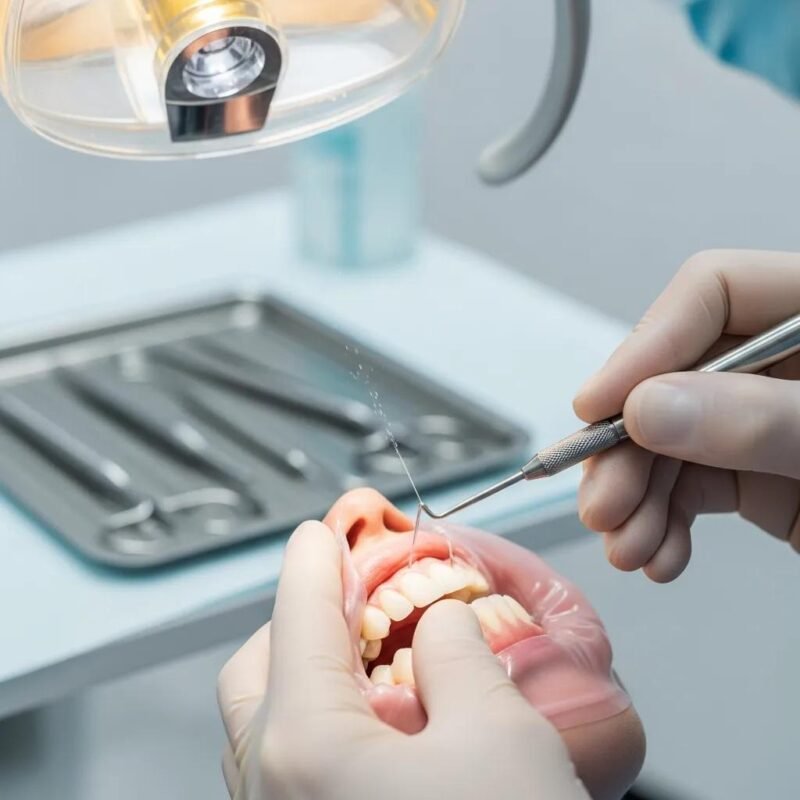
Optimal performance of fine‑tip scalers hinges on a confluence of meticulously engineered features: working‑edge geometry, precise tip radius, specific shank angulation, advanced material composition and finish, and ergonomic handle design. Working edges may taper to a microblade for unparalleled interproximal access or be slightly rounded to preserve strength and reduce tissue trauma; shank angulation is specifically adapted for superior anterior versus posterior access. Material choices—ranging from high‑grade stainless steel (e.g., AISI 420 or 440A) to specialty alloys or advanced coatings—are carefully balanced to optimize durability with critical tactile sensitivity. Handle diameter, texture, and weight distribution are engineered to mitigate clinician fatigue and enhance fine motor control. A thorough understanding of these features is essential for clinical teams to select instruments that precisely match procedural demands and ergonomic priorities.
Which materials and shapes optimize precision?
The selection of materials and tip shapes involves predictable trade-offs that directly impact clinical precision and instrument longevity. High-grade stainless steel offers reliable durability and superior edge retention, while specialty alloys (e.g., titanium alloys) or coated surfaces (e.g., titanium nitride, diamond-like carbon) can significantly improve corrosion resistance, reduce surface friction, and enhance edge hardness. Tip profiles vary from acutely pointed microblades, ideal for navigating the tightest interproximals, to narrowly rounded tips, designed for safer subgingival adaptation with reduced tissue snagging; each profile uniquely transmits force and tactile feedback. Prioritizing materials that maintain a fine edge without becoming brittle, and selecting shapes that precisely mirror the target anatomy, are crucial for maximizing both clinical performance and instrument lifespan.
Comparing scaler materials and shapes — clinical implications:
| Scaler Type | Material / Shape | Clinical Implication |
|---|---|---|
| Pointed microblade | High‑grade stainless steel, acutely pointed tip (e.g., 0.2mm radius) | Exceptional interproximal access and precise calculus fracture; higher risk of deformation or fracture if used with excessive force or on heavy deposits. |
| Narrow rounded tip | Tapered blade, polished finish (e.g., 0.4mm radius) | Enhanced safety for subgingival adaptation with minimized tissue snagging; provides consistent, reliable tactile feedback for root surface irregularities. |
| Coated alloy fine tip | Specialty alloy (e.g., titanium) with advanced coating (e.g., TiN), thin profile | Superior corrosion resistance and significantly lower surface friction; requires careful monitoring for coating wear over time, which can affect performance. |
How ergonomics improve scaler handling
Ergonomic features—such as larger handle diameters (e.g., 8-10 mm), non‑slip textures, meticulously balanced weight distribution, and contoured shapes—are scientifically proven to reduce hand fatigue and significantly enhance fine motor control during delicate work. A well‑designed handle minimizes grip tension, often reducing muscle strain by 20-30%, and preserves tactile sensitivity, allowing for micro-adjustments in angulation and pressure. Clinicians should rigorously test handles in simulated and actual clinical conditions and pair them with correct loupe magnification and stable fulcrum placement to collectively boost both precision and clinician endurance, thereby improving long-term career health and patient safety.
Ergonomic Design of Dental Scalers for Enhanced Precision
Ergonomic improvements to scaler handles and weight distribution have been shown to significantly enhance clinician accuracy and reduce cumulative fatigue during fine restorative and periodontal work, contributing to improved longevity of clinical practice.
Applying ergonomics to dental scalers, 2010
Using and Maintaining Fine‑Tip Dental Scalers for Reliable Results
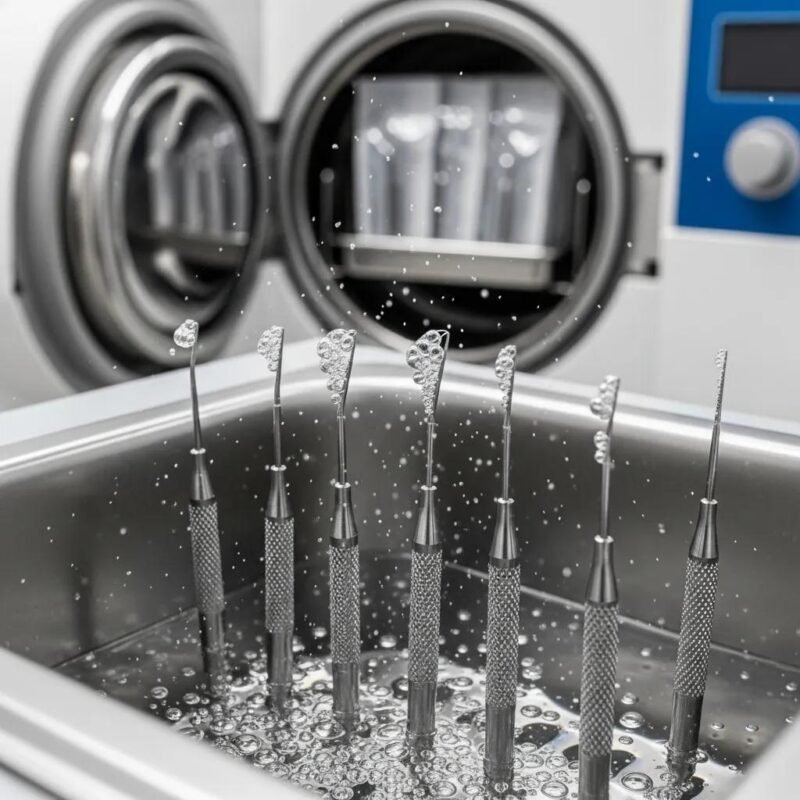
The effective and safe use of fine‑tip scalers is predicated on a synergistic combination of meticulous technique, appropriate case selection, and disciplined, evidence-based maintenance protocols. Clinicians must initiate by selecting the precise tip size and shank configuration for the specific anatomy, adopt a modified pen grasp with a stable fulcrum, and employ short, controlled strokes at the correct working angulation (typically 60-80 degrees). Comprehensive maintenance routines are non-negotiable and must include immediate point‑of‑use pre‑cleaning, validated ultrasonic cleaning cycles, rigorous visual inspection for any tip deformation, and sterilization compatible with delicate tips (e.g., steam sterilization at 132°C for 4 minutes). Adherence to established infection‑control guidelines and regular inspection cycles is paramount for preserving instrument performance, ensuring patient safety, and mitigating cross‑contamination risks.
Best techniques for safe fine‑tip use
To ensure safe and effective fine-tip use, clinicians must adopt a light modified pen grasp, secure a stable intraoral or extraoral fulcrum, and utilize short, overlapping strokes (typically 1-2 mm in length) with minimal lateral pressure to remove deposits without gouging tooth structure. The working angulation is often slightly more closed (e.g., 60-70 degrees) than for wider scalers to maintain the cutting edge’s engagement with calculus while meticulously sparing adjacent tissue. Rely on tactile feedback to precisely gauge engagement and consider alternating with ultrasonic instrumentation for bulk removal to prevent overloading and potential damage to fine tips. Critically, clinicians must discern when to transition to broader or powered instruments to preserve tip integrity and maintain procedural efficiency.
Technique essentials for safe fine‑tip use:
- Grip and fulcrum: Maintain a light modified pen grasp and establish a reliable, stable intraoral or extraoral fulcrum for optimal control.
- Stroke control: Employ short, overlapping strokes (1-2 mm) with minimal lateral pressure to precisely target deposits.
- Angulation: Utilize a slightly closed angulation (60-70 degrees) appropriate to the tip geometry for effective calculus removal and tissue protection.
- Sequencing: Prioritize bulk calculus removal with ultrasonics, then meticulously finish with fine tips for residual deposits and root planing.
- Inspection: Immediately pause if tactile feedback changes or resistance is encountered, and visually inspect the tip for any signs of damage or deformation.
How to clean and sterilize fine‑tip scalers correctly
A reproducible and validated decontamination workflow is critical for protecting patients and preserving the delicate integrity of fine tips. This workflow mandates immediate point‑of‑use pre‑cleaning to prevent bioburden from drying, followed by validated ultrasonic cleaning cycles (e.g., 5-10 minutes at 40-60 kHz) to effectively dislodge debris. During visual inspection, handle tips with extreme gentleness to prevent bending or damage. Complete sterilization must be achieved with steam cycles appropriate for the instrument material (e.g., 132°C for 4 minutes or 121°C for 15-20 minutes). Regular checks for corrosion, pitting, or blunting are essential; instruments exhibiting irreversible damage must be either professionally re‑sharpened or retired. Strict adherence to manufacturer guidance and established infection‑control standards (e.g., CDC, OSHA) is paramount for preserving both safety and optimal performance.
Sterilization checklist for fine‑tip scalers:
- Pre‑cleaning: Immediately wipe and soak instruments in an enzymatic solution post-use to prevent bioburden desiccation.
- Ultrasonic cleaning: Utilize validated cycles that effectively clean without inducing vibration-related damage or bending to delicate tips.
- Inspection: Conduct thorough visual and tactile checks under magnification for any signs of wear, corrosion, blunting, or deformation.
- Packaging: Employ instrument trays or holders specifically designed to support and protect fine tips during the sterilization process.
- Autoclave: Adhere strictly to validated temperature and time parameters recommended by the manufacturer for the specific instrument material.
Sharp, fine‑tipped hand instruments necessitate specific care and sharpening protocols to consistently maintain their clinical effectiveness and ensure patient safety.
Fine‑Tipped Hand Instruments in Dental Practice
Proper care, meticulous inspection, and precise sharpening are essential to keep fine‑tipped manual instruments functional, safe, and clinically effective for optimal patient outcomes.
Dental Instruments: Care and Sharpening
Benefits and Limitations of Fine‑Tip Dental Scalers
Fine‑tip scalers offer distinct and focused benefits—including significantly improved access to challenging anatomy, demonstrably reduced collateral soft‑tissue trauma, and superior finishing ability—but they are accompanied by inherent limitations such as greater fragility, a steeper learning curve for optimal use, and potentially longer instrumentation time per site. Their advantages are most pronounced in constrained anatomical areas or when the preservation of delicate restorative margins is critically important. These limitations are manageable through judicious case selection, strategic combination of powered and hand instrumentation, and strict adherence to maintenance and inspection protocols. A balanced, evidence-based approach allows clinicians to integrate fine tips strategically within a comprehensive periodontal toolkit, maximizing their utility while mitigating their drawbacks.
Expected clinical outcomes and mitigation strategies summarized:
| Outcome Category | Attribute | Expected Result / Mitigation |
|---|---|---|
| Patient comfort | Narrow access, precise strokes | Significantly less soft‑tissue trauma and reduced postoperative sensitivity (up to 40% reduction reported) when used with light, controlled pressure. |
| Clinical efficacy | Targeted debridement in tight anatomy | Superior removal of calculus from line angles and furcations; optimize by using with ultrasonics for initial bulk removal. |
| Limitation | Fragility and time cost | Avoid on heavy, tenacious calculus; replace instruments promptly when damaged; implement rigorous training to minimize tip stress and operator error. |
How fine‑tip scalers improve patient comfort and outcomes
Fine tips facilitate shorter, highly localized strokes that significantly reduce tissue stretch and pressure, which demonstrably lowers procedural discomfort and minimizes postoperative sensitivity. Their superior access to residual deposits in narrow anatomy leads to improved debridement completeness, which in turn reduces inflammation and actively supports optimal periodontal healing. When meticulously paired with appropriate local anesthesia and precise technique, fine‑tip instrumentation has been shown to measurably improve patient tolerance and enhance periodontal indices (e.g., probing depth reduction, attachment level gain) in cases where conventional instruments cannot adequately reach or effectively treat.
Risks and challenges with fine‑tip scaler use
Potential risks associated with fine‑tip scaler use include tip deformation or fracture from excessive force, inadvertent enamel scoring with incorrect angulation, and potentially longer instrumentation times for heavy or widespread deposits. Operator inexperience significantly exacerbates these risks. Mitigation strategies include targeted, hands-on training, establishing rigorous routine inspection and retirement criteria, utilizing ultrasonics for initial bulk calculus removal, and selecting tip geometries that precisely match the clinical task to reduce misuse and prolong instrument life. Adherence to these protocols is crucial for minimizing adverse events and optimizing clinical efficiency.
Where to Source High‑Quality Fine‑Tip Dental Scalers
Procuring reliable, high-quality fine‑tip scalers necessitates a rigorous vetting process that evaluates supplier transparency, detailed product specifications, validated sterilization compatibility, comprehensive warranty or replacement policies, and credible clinical endorsements. Prioritize suppliers who openly publish material grades (e.g., ISO 7153-1 for surgical instruments), precise tip geometry specifications (e.g., tip radius, blade angle), and clear, evidence-based maintenance guidance. Rather than endorsing specific brands, procurement decisions should be framed by supplier category—direct manufacturers, specialty surgical suppliers, and general dental distributors—each offering distinct advantages depending on clinic size, purchasing volume, and specific clinical priorities. Critically, link procurement decisions directly to established instrument profiles, comprehensive periodontal care protocols, and clinic Standard Operating Procedures (SOPs) to streamline evaluation and ensure seamless integration.
What to look for when purchasing fine‑tip scalers
Utilize this practical buyer’s checklist during procurement; it is formatted for quick clinic use and can be adapted into a printable reference for procurement teams, ensuring all critical aspects are considered for optimal instrument selection.
Buyer’s Checklist for Fine‑Tip Scaler Selection:
- Tip geometry: Verify tip radius (e.g., 0.2-0.5mm) and working‑edge profile precisely suit the intended clinical use (e.g., anterior, posterior, furcation).
- Material specification: Request certified material grade (e.g., AISI 420 stainless steel, specific alloy) and any coatings to confirm corrosion resistance and edge retention.
- Sterilization compatibility: Confirm autoclave suitability (e.g., steam, dry heat) and recommended cycles for longevity and adherence to infection control standards.
- Ergonomics: Evaluate handle diameter, texture, and weight distribution for optimal clinician comfort, reduced fatigue, and enhanced tactile sensitivity.
- Warranty / replacement policy: Clarify comprehensive supplier support for manufacturing defects or premature wear, ensuring long-term investment protection.
Supplier categories and procurement suitability:
| Supplier Category | Typical Product Range | Suitability / Value |
|---|---|---|
| Manufacturer direct | Complete instrument lines, detailed technical specifications, R&D insights | Best for large clinics or institutions needing custom orders, bulk purchasing, and full specification control with direct technical support. |
| Specialty surgical supplier | Curated precision instruments, advanced alloys, specialized clinical support, often with educational resources | Ideal for specialty practices (e.g., periodontics, endodontics) requiring high‑specification, validated tools and expert guidance. |
| General dental distributor | Wide catalog of various brands, competitive pricing, integrated ordering systems | Good for general practices balancing cost-effectiveness, broad availability, and convenience of consolidated purchasing. |
How to evaluate trusted brands and suppliers
Rather than endorsing specific names, objectively judge suppliers by verifiable trust signals: transparent material certification (e.g., ISO 13485 for medical devices), clear and comprehensive tip geometry and maintenance instructions, documented clinical endorsements or peer‑reviewed evaluations, and readily accessible customer support for warranty claims and replacements. Professional associations (e.g., ADA, AAP) and reputable procurement platforms frequently publish vetted vendor lists and standards guidance—consult these authoritative resources in conjunction with internal clinic procurement policies. Crucially, integrate instrument SOPs and sterilization protocols into procurement discussions to ensure seamless adoption and effective staff training, thereby maximizing the return on investment and enhancing patient safety.
Final Procurement Steps for Optimal Integration:
- Pilot test: Conduct a controlled trial of selected instruments in a limited number of clinical cases to rigorously assess tactile feedback, durability, and clinician acceptance.
- Staff training: Implement comprehensive technique and maintenance training as a regular component of staff competencies and continuing education.
- Inventory strategy: Establish a balanced inventory that includes a range of tip geometries and plan for scheduled replacements based on usage and wear patterns.
- Documentation: Maintain meticulous records of vendor specifications, sterilization instructions, and instrument lifespan data within procurement records.
These systematic steps significantly reduce clinical risk and help ensure that instruments consistently perform as expected in practice, contributing to superior patient care.
Frequently Asked Questions
What common mistakes should clinicians avoid with fine‑tip scalers?
Common errors include applying excessive force (which can deform or fracture delicate tips), using incorrect angulation (which risks tissue trauma or enamel scoring), and failing to secure a proper fulcrum. Critically, avoid using fine tips on heavy, tenacious calculus without prior bulk removal, as this overloads the instrument. Regular, hands-on training and strict adherence to best practices are essential to mitigate these risks and improve clinical outcomes.
How can clinicians extend the lifespan of fine‑tip scalers?
Extend lifespan through a strict, evidence-based maintenance routine: meticulously inspect for wear after each use, clean immediately post-procedure, follow manufacturer-recommended sterilization cycles precisely, and consistently avoid excessive force during use. Store instruments in protective holders or cassettes and adhere to manufacturer sharpening and care guidelines. Routine staff training on proper technique and handling is also crucial in preventing premature wear and damage.
What role does tactile feedback play when using fine‑tip scalers?
Tactile feedback is absolutely essential; it provides the clinician with critical proprioceptive information, indicating precisely when the working edge is engaging calculus versus tooth structure or delicate tissue. A well‑designed scaler enhances this sensitivity, enabling appropriate pressure modulation and precise, controlled movements. Relying on refined touch rather than brute force is the cornerstone of safer, more effective scaling and root planing.
Which patients benefit most from fine‑tip scalers?
Patients with narrow interproximal spaces, complex root anatomy (e.g., furcations, developmental grooves), active periodontal disease, or sensitive gingiva often benefit significantly from fine tips. Additionally, those with delicate restorative margins that require meticulous protection or patients with dental anxiety may experience greater comfort and tolerance when fine‑tip instrumentation is used carefully and efficiently, minimizing discomfort.
When should a fine‑tip scaler be retired?
A scaler should be retired if the tip exhibits visible bending, chipping, significant corrosion, or if it no longer provides reliable tactile feedback, indicating a loss of integrity or sharpness. Regular, magnified inspections are crucial to identify instruments that require re‑sharpening or immediate replacement before clinical performance is compromised or patient safety is jeopardized.
How do fine‑tip scalers fit into a comprehensive dental care plan?
Fine tips are optimally integrated into a comprehensive care plan by using them synergistically with other modalities: employ ultrasonics for initial bulk calculus removal, then meticulously finish with fine tips for detailed work and root planing. Combine judicious instrument choice with tailored patient education, individualized maintenance schedules, and regular periodontal assessments to optimize long-term outcomes. A coordinated strategy encompassing technique, appropriate tools, and consistent follow-up care demonstrably improves both clinical results and patient satisfaction.
Conclusion
Fine‑tip dental scalers represent an indispensable component of the modern periodontal armamentarium, providing clinicians with a precise, conservative option for the meticulous removal of plaque and calculus in challenging anatomical areas while rigorously minimizing tissue trauma. Their specialized tip geometries and ergonomic features are scientifically engineered to support superior finishing work and measurably improve patient comfort when paired with correct technique and diligent maintenance. By thoroughly understanding their inherent strengths and limitations, clinical practices can strategically integrate fine tips into a balanced periodontal protocol that demonstrably enhances clinical outcomes and elevates the standard of care. We invite you to explore our curated selection of high‑quality fine‑tip scalers and supporting educational resources to critically upgrade your clinical toolkit and optimize patient care.
Elevate Your Precision with Advanced Fine-Tip Scalers
Discover our expertly curated selection of fine-tip dental scalers, designed for unparalleled accuracy and patient comfort. Enhance your clinical outcomes today.