


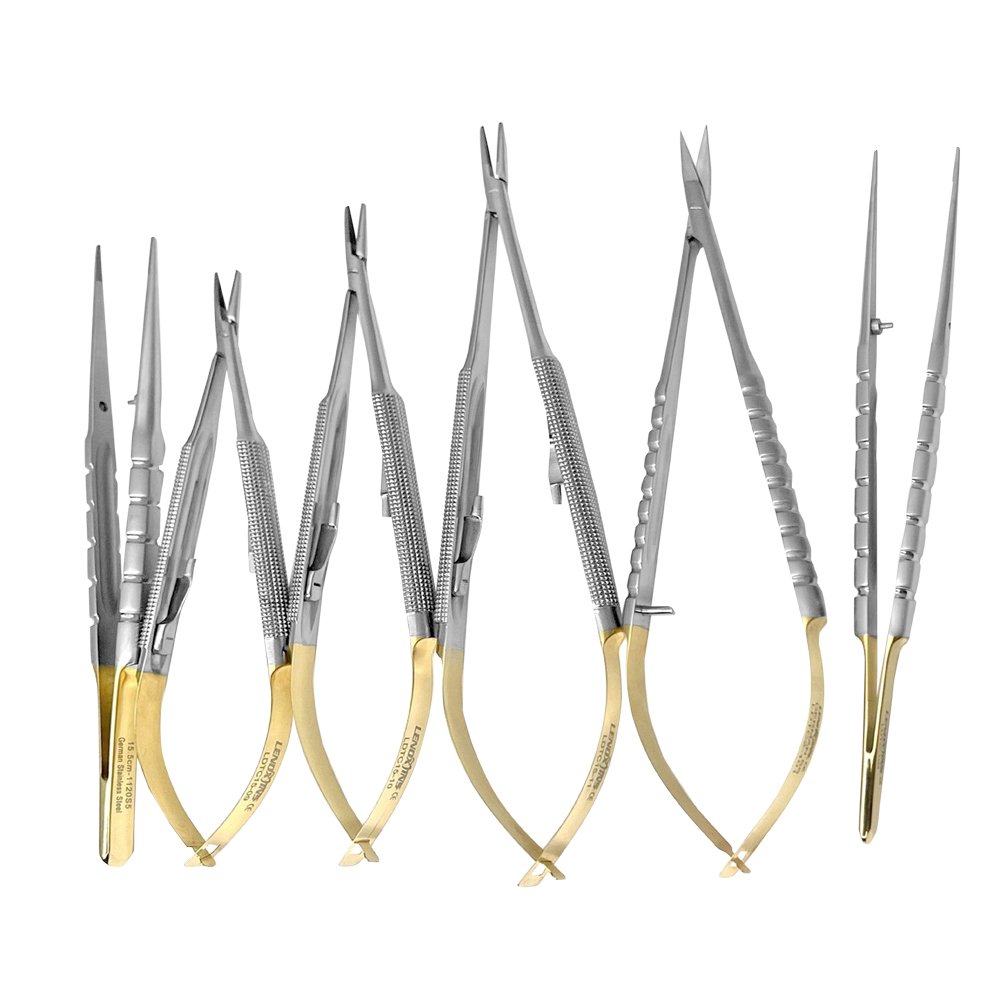

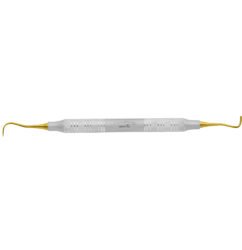
Insights into Oral Surgery Tools for Complex Cases


Understanding the Role of Surgical Elevators in Complex Tooth Extractions
Elevators are indispensable oral surgery instruments that facilitate atraumatic tooth extractions and bone fragment removal while preserving surrounding tissue integrity. By pairing elevators with ergonomic extraction forceps, Lenox Instruments ensures clinicians can manage dental trauma and maintain hemostasis efficiently during surgical procedures. This guide delivers a comprehensive overview of surgical elevators in healthcare.
Key Takeaways
- Surgical elevators apply precise leverage to assist atraumatic tooth removal.
- Classification by blade design optimizes instrument selection for extraction steps.
- Stepwise elevator application enhances socket expansion and root fragment elevation.
- Specialized elevators address complex cases like ankylosed or impacted teeth.
- Strict sterilization protocols prevent infection and extend instrument life.
What are surgical elevators and what is their fundamental purpose?
Surgical elevators support tooth extraction by applying controlled leverage to loosen periodontal ligaments and elevate roots from alveolar sockets. explore our range of precision surgical elevators. learn about the full extraction process. This fundamental purpose reduces trauma to gingiva and adjacent bone, lowering postoperative bleeding and promoting faster healing. maintain longevity with proper sterilization. elevators are blades or tips attached to a handle, designed in various shapes—straight, curved, or triangular—to match root anatomy and extraction angles. pair elevators with ergonomic extraction forceps.
Every elevator’s design reflects a balance between force application and tissue preservation, allowing dentists to exert precise pressure without fracturing bone. pair elevators with ergonomic extraction forceps. enhance your toolkit with premium root tip picks. This precision is critical in managing inferior alveolar nerve proximity and avoiding maxillary sinus perforation. understanding an elevator’s role in surgical extraction provides a basis for classifying the instruments used in oral procedures. Explore our range of precision surgical elevators.
How are surgical elevators classified for oral procedures?
Explore our range of precision surgical elevators. Surgical elevators are classified based on blade design, handle ergonomics, and clinical indication to optimize their use in premolar, molar, and root tip removal, following Canadian Dental Association guidelines on surgical procedures. Pair elevators with ergonomic extraction forceps. Common categories include straight elevators, cryers, root-tip picks, periotomes, and luxators. Enhance your toolkit with premium root tip picks. Read clinical insight on extraction tools. Each class addresses specific extraction challenges such as single-root luxation or sectioned molar removal. Maintain longevity with proper sterilization. Learn about the full extraction process.
- Straight elevators: flat blades for initial socket widening and luxation
- Cryer (apical) elevators: triangular tips for root fragment elevation
- Root-tip picks: sharp, pointed ends for removing residual root pieces
- Periotomes: thin blades that sever periodontal ligament to minimize bone loss
- Luxators: sharp, narrow blades for delicate detachment of tooth from bone
This classification guides clinicians in selecting the most appropriate instrument for each step of the extraction process.
Lenox Instruments offers a full range of these elevator types, each crafted from medical-grade stainless steel with textured handles to improve grip and reduce slippage under wet conditions.
Below is a detailed table summarizing major elevator classes and their attributes.
Elevator Class | Blade Design | Indication | Example Product (Lenox Instruments) |
|---|---|---|---|
Straight Elevator | Flat, wide | Socket expansion, initial luxation | LD6-436B Heidbrink Elevator |
Cryer Elevator | Triangular, pointed | Multi-root extractions, apical root luxation | LD6-225 Cryer Elevator |
Root-Tip Pick | Straight, sharp tip | Removal of fractured root fragments | LD6-157 Root Tip Extractor |
Periotome | Thin, bevelled | Atraumatic periodontal ligament severing | LD6-189 Periotome Series |
Luxator | Fine, sharp edge | Delicate tooth-bone detachment | LD6-198H Luxator Premium |
How are dental elevators applied step by step during extractions?
Dental elevators are applied step by step during extractions to achieve progressive luxation, starting with socket expansion and concluding with root elevation, canadian dental association guidelines on surgical procedures. explore our range of precision surgical elevators. First, the clinician positions a straight elevator between the tooth and alveolar bone to initiate cortical plate separation. Next, angular force is applied using a cryer elevator to luxate multi-root sections, followed by root-tip picks to remove any residual fragments. enhance your toolkit with premium root tip picks. maintain longevity with proper sterilization.
Term: - canadian dental association guidelines on surgical procedures
Below is a concise procedural list outlining elevator application in a typical third-molar removal:
- Preoperative assessment: review dental radiography and patient medical history focusing on coagulation, nerve proximity, and infection risk.
- Local anesthetic administration: infiltrate inferior alveolar nerve block combined with buccal infiltration to ensure profound anesthesia.
- Initial luxation: use a straight elevator to widen the socket and sever the periodontal ligament.
- Sectioned root luxation: employ a cryer elevator on the furcation area after crown sectioning with a scalpel or surgical bur.
- Residual fragment removal: apply a root-tip pick to elevate fractured apical segments carefully.
- Socket curettage: use a curette to remove tissue debris and promote hemostasis before closure.
This systematic approach ensures controlled force application, minimization of bone fracture risk, and protection of gingival tissue.
How are oral surgery elevators utilized in difficult cases?
Oral surgery elevators are utilized in difficult cases—such as ankylosed teeth, impacted canines, and fractured roots—by selecting specialized designs that enhance mechanical advantage and visibility. Explore our range of precision surgical elevators. Enhance your toolkit with premium root tip picks. In ankylosed molars, periotomes may precede a luxator to gently detach tooth from bone, reducing bone splintering. Impacted canines often require cryer elevators with curved shanks to navigate around cortical bone. Pair elevators with ergonomic extraction forceps. Maintain longevity with proper sterilization.
Term: - Explore our range of precision surgical elevators
Case example: A deeply impacted mandibular premolar was accessed via a small buccal flap, followed by sequential use of a periotome to preserve alveolar ridge and a luxator to extract the tooth in one piece. learn about the full extraction process. enhance your toolkit with premium root tip picks. pair elevators with ergonomic extraction forceps. The clinician then rinsed the socket with saline to prevent infection and packed it with gauze to promote coagulation. maintain longevity with proper sterilization. read clinical insight on extraction tools.
In scenarios with bone irregularities or sinus proximity, Lenox Instruments’ cryer and root-tip picks provide the rigidity and tip sharpness needed to manage complex extractions while maintaining patient comfort. Enhance your toolkit with premium root tip picks and learn about the full extraction process.
What applications do surgical elevators have outside dentistry?
Surgical elevators have applications outside dentistry in otolaryngology and orthopedic microsurgeries by facilitating the elevation of tissue planes and removal of small bone fragments. explore our range of precision surgical elevators. In cochlear implant surgery, fine luxators separate periosteum from mastoid bone, while in hand surgery, periotome-like elevators are used to elevate tendon sheaths and synovial tissue without tearing delicate structures. maintain longevity with proper sterilization is essential for optimal performance.
Term: - explore our range of precision surgical elevators
In orthopedic cases, small root-tip picks find use as periosteal elevators during fracture fixation to lift periosteum and reduce soft-tissue disruption. enhance your toolkit with premium root tip picks and maintain longevity with proper sterilization. The same principles of controlled leverage and tissue preservation apply, illustrating the elevator’s versatility beyond alveolar procedures.
What are the care and sterilization protocols for surgical elevators?
Care and sterilization protocols for surgical elevators involve precleaning, ultrasonic debridement, and steam sterilization at 134 °C for 3 minutes to maintain longevity with proper sterilization, instrument longevity and infection control, following Canadian Dental Association guidelines on surgical procedures. After each procedure, instruments are wiped with gauze to remove gross debris, then immersed in an enzymatic detergent solution to break down blood and tissue residues.
The following table outlines the recommended sterilization workflow according to Canadian Dental Association guidelines and Lenox Instruments’ maintenance recommendations.
Step | Method | Parameters | Purpose |
|---|---|---|---|
Precleaning | Manual wiping | Warm water, gauze | Remove visible debris |
Ultrasonic Cleaning | Automated tank | 40 °C for 10 min | Deep debridement of crevices |
Rinsing | Distilled water | Room temperature | Remove detergent residues |
Drying | Medical-grade air | 5 min | Prevent corrosion |
Autoclave Sterilization | Steam under pressure | 134 °C, 3 min cycle | Aseptic readiness |
Inspection & Storage | Visual/microscopic | N/A | Ensure blade integrity |
Adhering to these protocols prevents instrument corrosion, ensures patient safety, and extends elevator service life.
How does elevator blade shape affect extraction control?
Blade curvature determines leverage angle and tissue access, influencing luxation efficiency and trauma reduction.
Can periotomes replace elevators for atraumatic extractions?
Periotomes sever periodontal ligaments gently but often require supplemental elevators for complete root removal.
What maintenance extends elevator longevity?
Routine ultrasonic cleaning, drying, and timely autoclave cycles preserve stainless steel integrity and sharpness.
Are elevator sterile indicators required before surgery?
Chemical and biological indicators confirm autoclave efficacy, ensuring instruments meet aseptic standards.
How do elevators reduce postoperative complications?
Controlled luxation minimizes bone fracture and gingival laceration, decreasing pain and infection risk.
Comprehensive knowledge of surgical elevator types and uses empowers clinicians to perform extractions with precision and minimal tissue trauma. Proper instrument selection and stepwise application optimize patient comfort and procedural efficiency. Adopting stringent care and sterilization protocols maintains elevator functionality and infection control. Integrating these insights elevates clinical outcomes in both dental and surgical specialties.
Conclusion
Surgical elevators are vital tools in modern dentistry, particularly in complex tooth extractions where precision, control, and tissue preservation are paramount. Their design versatility—from straight to cryer, root-tip picks to luxators—empowers clinicians to approach each case with tailored techniques that minimize trauma and enhance patient outcomes. By understanding the specific applications, classification, and procedural steps of elevators, dental professionals can elevate the standard of care while reducing postoperative complications.
At Lenox Instruments, we prioritize excellence by offering premium-grade elevators crafted for both routine and complex oral surgeries. When combined with ergonomic extraction forceps and maintained through proper sterilization protocols, these instruments ensure long-term reliability and optimal surgical performance. Whether addressing fractured roots, impacted teeth, or ankylosed molars, equipping your practice with the right tools and knowledge leads to safer, more efficient extractions—and ultimately, superior patient care.