



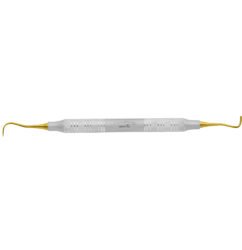
How Surgical Tool Decisions Impact Your Dental Practice

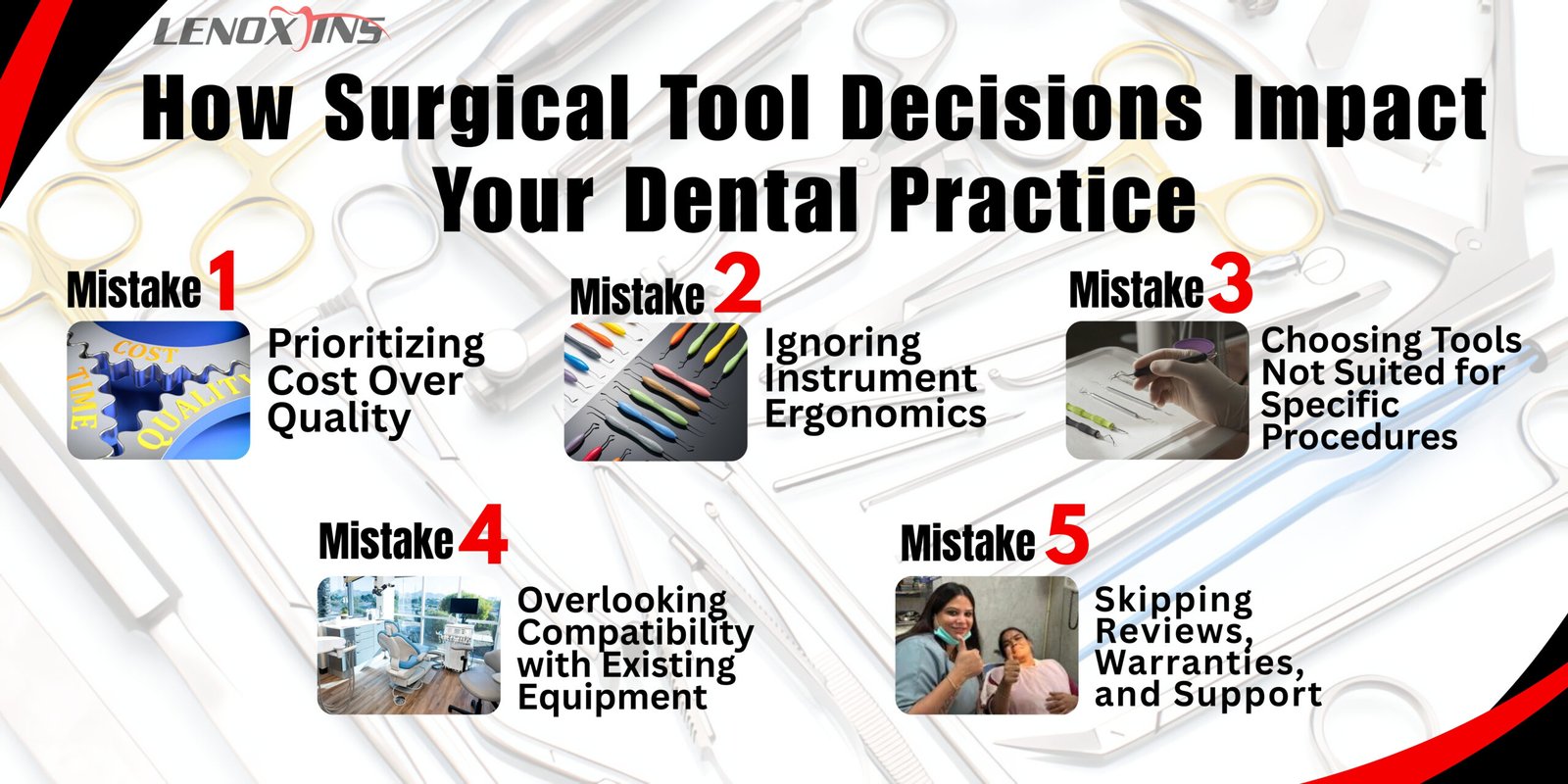
How Surgical Tool Decisions Impact Your Dental Practice
Does every tool decision directly affect a dental practice's workflow and patient outcomes? This article reviews the influence of surgical tool choices and highlights common pitfalls such as prioritizing cost over quality and ignoring ergonomics. It explains how selecting well-matched instruments can improve efficiency, optimize safety, and ensure better treatment results. Dentists will gain practical insights to refine their instrument strategy and achieve better practice performance.
Key Takeaways
- precision instruments improve safety and reduce recovery time
- ergonomic design minimizes fatigue and maintains procedural consistency
- customized tools support better surgical outcomes and system compatibility
- quality instruments lower long-term maintenance and boost efficiency
- reliable support enhances tool performance and patient satisfaction
Importance of high-quality, well-matched instruments
High-quality instruments play a crucial role in preventing tooth loss and ensuring long-term patient satisfaction. Precision tools help maintain durability during surgical procedures.
Well-matched instruments support precise handling of tissue, reducing trauma and minimizing complications. Professional dental practices rely on these tools for consistent performance.
Proper instrument selection is vital when managing abutments and performing a sinus lift:
- Increased surgical accuracy
- Enhanced control over tissue manipulation
- Improved durability of outcomes
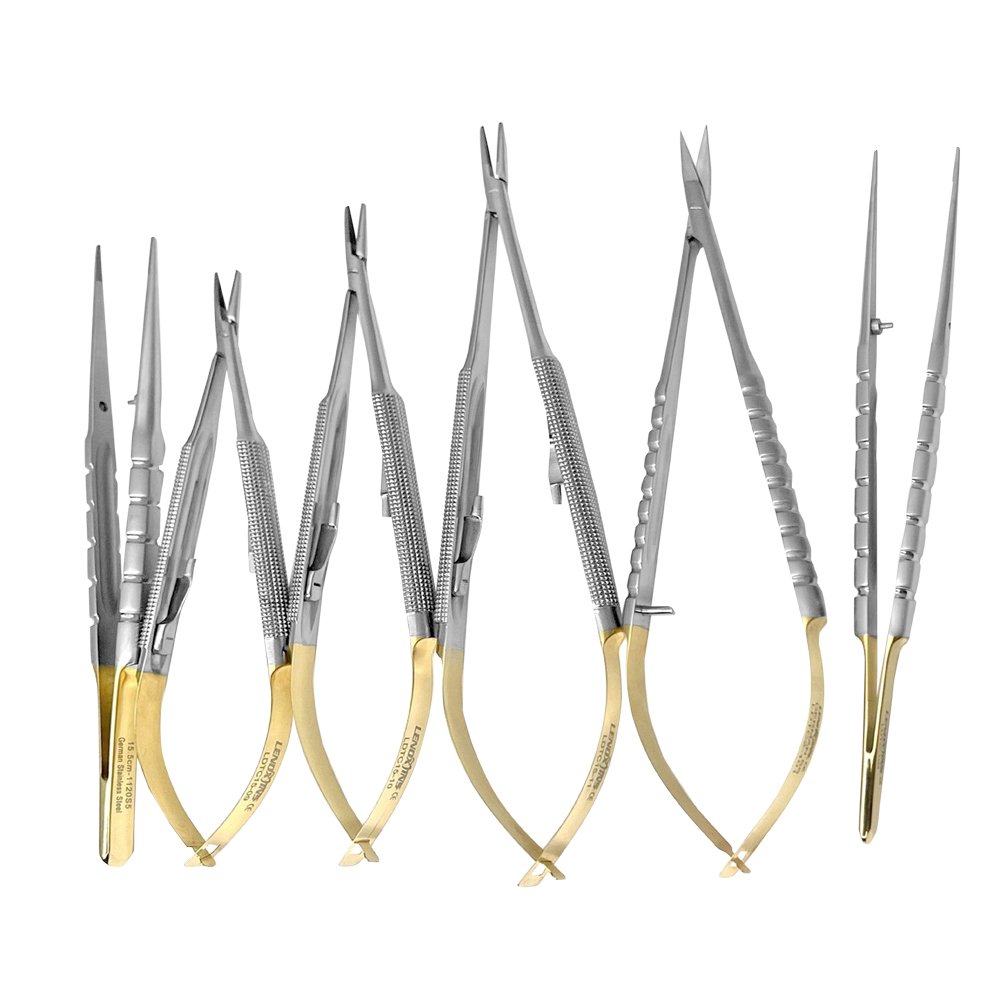
The dental team benefits from reliable instruments, including high-quality scissors for dental surgery and All-in-one dental instrument kits, which lead to shorter recovery times and higher overall procedure success rates. This rationale reinforces the need to prioritize equipment that meets high standards, such as Organize your instruments with sterilization cassettes.
Why mistakes impact efficiency, safety, and patient outcomes
A dental practice’s outcomes are closely tied to surgical tool decisions, such as High-precision surgical elevators and high-quality scissors for dental surgery; mistakes can lower overall efficiency and increase the risk of errors. Tools that meet the standards of the american dental association, including all-in-one dental instrument kits, help ensure reliable performance and reduce premature wear from corrosion.
Miscalculations in instrument handling may lead to compromised safety and longer sedation times for patients. These lapses affect the precision of procedures like fitting a prosthesis.
Errors in tool selection can extend procedure durations and require additional interventions:
- Reduced procedural efficiency
- Heightened safety risks
- Suboptimal prosthesis integrations
Dental teams rely on accurate surgical tool choices to maintain high performance and safety standards. Informed decisions support lower sedation levels and consistent outcomes while protecting against corrosion-related issues.
Mistake 1: Prioritizing Cost Over Quality
Dental teams face long-term costs with cheap tools that undermine maintenance and overall osseointegration outcomes. Instruments crafted from stainless steel with ergonomic build and high reusability reduce risk and improve performance even during recession. Lenox offers solutions that elevate taste in precision, making them a standout option in cost-effective, quality-driven practices.
Long-term costs of cheap tools
Cheap surgical tools often compromise sterilization protocols, increasing the risk of persistent bacteria and undermining brand reputation. A surgeon in pediatric dentistry may face additional challenges due to repeated instrument failures, which leads to increased repairs and replacements over time.
Inadequate quality tools incur higher overall maintenance costs and extend recovery time, straining financial resources. This drives a practice to re-examine their brand choices and allocate investment in higher quality instruments for better long-term outcomes.
Mention stainless steel, ergonomic build, reusability
Orthopedic surgery and dental procedures benefit from surgical instrument selections that emphasize material quality. Stainless steel ensures longevity and dependable performance, while an ergonomic build reduces fatigue for dental teams during Precision tools for implant procedures. This investment prevents recurring expenses and bolsters the overall outcome quality, including when facing ceramic-based applications.
Efficient reusability of precision tools for implant procedures directly influences procedure consistency and patient outcomes. The design inherent in top-grade stainless steel instruments contributes to streamlined operations in dental and orthopedic surgery, making this investment a practical choice for practices committed to high performance and minimized maintenance needs.
Lenox product plug opportunity
Lenox introduces a selection of high-quality instruments that address common challenges in dental practices. The product line integrates advanced engine technology and innovative silicone applications, catering to procedures that require precision tomography and improved aesthetics, all while ensuring manageable payment options.
This instrument range is designed to assist dental teams in achieving consistent outcomes during complex procedures; the approach can be summarized as follows:
- Robust engine performance for reliable operation
- Precision silicone components for enhanced accuracy
- Streamlined processes integrating tomography for superior resolution
- Competitive payment options to support budget-conscious practices
- Focus on aesthetics to meet high clinical standards
Mistake 2: Ignoring Instrument Ergonomics
Dental offices often face fatigue and handling difficulty during long procedures, which can reduce precision when using a bur. Ignoring instrument ergonomics, especially in tasks like removal, may also increase cost, measured in Canadian dollar, and force teams to seek quick fixes via an email address. The following sections outline actionable insights.
Fatigue, handling difficulty, reduced precision
Improper ergonomics in dental practice often leads to fatigue and handling difficulty during extended procedures, affecting precision in both orthodontics and general therapy. Dental teams frequently rely on advanced software to manage workflow; such tools help highlight the benefits of ergonomically designed instruments in mitigating discomfort and maintaining steady performance:
- Enhanced instrument grip reduces fatigue
- Balanced tool weight decreases handling difficulty
- Improved design supports sustained accuracy
Neglecting ergonomic considerations in instrument selection can compromise the efficiency of procedures and contribute to operational challenges, especially in orthodontics and related therapy sessions. This approach, backed by industry experience, reinforces the necessity of integrating ergonomic tools and supportive software to optimize outcomes in a dental practice.
Design matters for long procedures
Well-designed instruments play a key role during extended procedures, as balanced tools such as burs, dental implant surgical equipment, electric toothbrush components, scrapers, and grafting tools ensure optimal handling and reduced operator fatigue:
- Improved instrument grip
- Balanced tool weight
- Enhanced control during grafting
- Sustained precision with burs
Emphasizing ergonomic design minimizes discomfort and supports a consistent workflow, ultimately boosting efficiency in dental implant surgical practices. These measures provide a direct benefit to patient care and help improve overall procedural outcomes.
Mistake 3: Choosing Tools Not Suited for Specific Procedures
One-size-fits-all is unrealistic in dental surgery. Tailored tools for implantology, extraction, and soft tissue management offer the proper density and design to support overall health and maintain gingivitis prevention strategies, including optimal toothpaste applications. Instrument categories from the site set the stage for clear insights that follow in the detailed analysis below.
One-size-fits-all is not realistic
Specialized instruments are necessary because a universal tool fails to provide the precision required for delicate procedures such as molar extractions and fitting a bridge. Professionals note that equipment tailored to specific tasks, such as those designed to address unique issues of the tongue and optimize tooth brushing, offers better results and maintains a robust supply chain.
Practitioners acknowledge that effective procedures rely on selecting tools that meet specific requirements rather than settling for generic options. This focused approach ensures that each step, from molar adjustments to bridge installations, is executed with precision, underscoring the importance of matching instruments to the procedure at hand.
Tailored tools for implantation, extraction, soft tissue, etc.
Dental professionals emphasize the need for tailored surgical instruments when conducting procedures such as implantology, extraction, and soft tissue management. They rely on a digital image of each case to ensure that the chosen tool meets the exact demands of the procedure while also considering overall oral hygiene and root preservation.
This methodical approach proves essential in aligning with the canadian dental care plan and allows dental teams to streamline procedural efficiency, avoid extensive follow-up via email, and maintain precision. The key steps include:
- Selecting instruments designed for specific procedures
- Using digital image assessments to verify proper fit
- Ensuring tools support oral hygiene and successful root management
Showcase instrument categories from your site
Dental professionals rely on instrument categories that are fine-tuned for specific procedures, which include specialized selections for endodontics, veneer placement, and addressing issues like bad breath. The site features a well-organized cart system that sorts tools by procedure type to minimize pressure during instrument selection:
- Endodontic instruments for root canal therapy
- Precision tools for veneer adjustments
- Specialized instruments to manage tissue dynamics for bad breath reduction
- Ergonomic carts designed for easy access and reduced operator strain
- High-tolerance instruments that maintain consistency under pressure
By categorizing instruments by their specific application, the site assists dental practices in making informed choices that directly correlate to improved efficiency and patient outcomes. Tools are presented with detailed descriptions to guide practitioners in selecting the appropriate instrument for procedures ranging from endodontics to veneer fittings, ensuring effective management of clinical challenges such as excessive pressure during operations.
Mistake 4: Overlooking Compatibility with Existing Equipment
Dental practices may face challenges ensuring torque wrenches, drivers, and drill system alignment work with existing systems. Incompatibilities among glass components, instruments for managing gums, specialized toothbrush setups, Periosteal Elevators for flap elevation, and nerve safety devices can lead to system inefficiencies. The upcoming topics address practical integration and equipment compatibility strategies.
Torque wrenches, drivers, drill system alignment
Dental practices benefit from ensuring that torque wrenches, drivers, and drill systems align well with existing equipment, especially when handling titanium components for mandible procedures. This alignment minimizes inflammation around the tooth and helps prevent disease progression while maintaining surgical accuracy.
Planning for compatibility includes checking for discrepancies in technical specifications and material quality:
- Assessing the precision of torque wrenches with titanium instruments
- Verifying drivers meet standards for mandible procedures
- Ensuring drill system alignment minimizes risks related to inflammation and dental disease
When dental teams follow these guidelines, they reduce the likelihood of equipment mismatches and maintain overall surgical performance.
Discuss tool-system compatibility issues
Dental practices face challenges when mismatched systems lead to rapid dental instrument wear during procedures, compromising both efficiency and patient care. Inconsistent compatibility can affect outcomes like teeth cleaning and the control of dental plaque, potentially diminishing the effectiveness of each procedure.
Reliable integration between new tools and existing setups ensures smoother workflows and mitigates stress on equipment. Consistent tool-system compatibility boosts overall performance by reducing wear and preventing adverse effects on patient treatment outcomes.
Mistake 5: Skipping Reviews, Warranties, and Support
Dental practices risk negative feedback by overlooking key reviews, warranties, and trusted after-sales support. A well-regarded brand reputation reassures a dentist that instruments, including stainless steel tools, ultrasound devices, and curette systems, are adequately supported. This segment outlines practical insights into evaluating support options and ensuring dependable quality for a healthy mouth and efficient operations.
Lack of proper brand reputation
Dental practices face challenges when instruments lack proper brand reputation, as limited feedback from users may influence the angle at which procedures are approached. In cosmetic dentistry, professionals rely on reviews highlighting consistent performance, while detailed feedback on aspects such as fluoride application and machine reliability becomes indispensable.
Instruments without a robust brand reputation often lead to uncertainty during critical procedures, which may harm overall regimen adherence and result in compromised outcomes. Dental teams benefit from detailed evaluations that cover factors such as machine performance and ergonomic design, ensuring each tool meets exacting standards and fosters trust among practitioners.
Highlight the value of after-sales support & trust
Dental professionals understand that after-sales support directly impacts how efficiently a dental office manages equipment such as torque wrenches and tooth whitening devices. They compare products using resources like the Step-by-Step Breakdown: Tools Used at Each Stage of a Dental Implant to ensure that investments provide reliable warranties and expert assistance when addressing issues like a sudden toothache:
- Validated product reviews from peers
- Responsive customer support teams
- Comprehensive warranty coverage
When selecting instruments and evaluating performance in routine procedures, practitioners value support that confirms device quality and minimizes downtime. Such dependable after-sales service offers peace of mind, reinforces trust, and safeguards consistent clinical performance across various dental applications.
Conclusion
Well-informed buying decisions drive better occlusion outcomes and reinforce precise surgical practices. Lenox Instruments offers expert guidance with steel instruments designed to prevent tooth decay while ensuring smooth integration with your bristle care and mouthwash routines. Review the following sections for detailed insights and practical expert advice supporting optimal clinical performance.
Reinforce value of well-informed buying
Well-informed buying decisions empower dentists to optimize their practice's performance by ensuring each instrument is tailored to specific dental procedures. In Canada, professionals understand that selecting tools with proven durability and ergonomic design is as secure as setting a strong password—essential for troubleshooting and maintaining clinical precision while balancing the daily diet of operative needs.
- Improved procedural accuracy
- Reliable instrument performance
- Enhanced safety measures
- Streamlined workflows
Dental practices that prioritize comprehensive evaluations of instrument quality benefit from fewer complications and higher patient satisfaction. Expert insights in dental settings foster effective decision-making that supports long-term practice efficiency and guides dentists toward durable and reliable choices.
CTA to explore or consult Lenox Instruments for expert tool selection
Dental professionals are encouraged to consult Lenox Instruments for tailored surgical tool selection, which enhances patient satisfaction with precise osteotome performance and reliable imaging solutions. Lenox Instruments leverages advanced manufacturing techniques and high-quality cotton filtration systems to ensure superior results throughout dental procedures.
Expert advice from Lenox Instruments guides practitioners in choosing tools that increase efficiency and safety while promoting long-term benefits:
- Verified manufacturing quality
- Proactive osteotome integration
- Accurate imaging support
- Enhanced patient satisfaction
- Reliable cotton-based system improvements
Frequently Asked Questions
How do quality instruments influence practice efficiency?
High-grade instruments improve practice efficiency by reducing treatment time, increasing procedure precision, and streamlining workflow, ultimately supporting effective patient management while simplifying instrument maintenance.
What risks arise from choosing tools based solely on cost?
Choosing cost-based equipment in dentistry may compromise durability, operational safety, and support quality, leading to increased inefficiencies and potential clinical hazards which can ultimately affect patient outcomes.
How does ergonomics affect surgeon performance?
Optimal ergonomic design minimizes physical strain, supports stable posture, and improves focus, ultimately enhancing surgical precision and decision-making during procedures.
Why Is Compatibility With Existing Equipment Essential?
Integration with current systems minimizes disruptions, optimizes efficiency, and protects previous investments. This compatibility supports high reliability and ensures that dental professionals continue to deliver quality treatment without unnecessary modifications.
How do reviews and warranties shape purchasing decisions?
Reviews and warranties offer dentists critical assurance when evaluating products. Transparent user feedback and robust warranty terms support informed purchasing decisions, reducing uncertainties associated with product performance and long-term reliability.
Conclusion
Surgical tool decisions directly shape procedural efficiency and patient outcomes in dental practices. High-quality, well-suited instruments improve precision in complex procedures and reduce recovery times. Selecting appropriate tools minimizes operational risks and enhances safety protocols. Dental professionals benefit from thorough evaluations that promote lasting performance and reliable clinical results.